Summer in Lexington can feel like a slow climb in temperature, then a sudden jump. When the house stops cooling on a humid afternoon, what starts as an inconvenience can quickly become a health and safety issue, especially for infants, older adults, or anyone with respiratory problems. Calling for emergency AC repair near me is the obvious first move, but the smart homeowner thinks beyond the immediate fix. Repairing the problem and preventing the next emergency are two separate tasks. This article explains how to approach emergency AC repair in Lexington MA, how to choose an HVAC contractor, and what practical steps you can take to reduce the chance of repeat failures. I write from years on service trucks and in basements, where the patterns repeat and the small decisions matter more than marketing slogans.
Why emergency calls spike and what that means for you When a system quits on a hot day, you do not want a long delay. Technically, an AC system can fail for mechanical, electrical, or refrigerant reasons. Practically, many emergency calls are about three recurring issues: compressor burnout, refrigerant leaks that allow the system to freeze and then stop cooling, and failed capacitors or fan motors that prevent airflow. These failures often arrive as combinations. For example, restricted airflow can cause the evaporator coil to freeze, then the compressor overheats when the ice melts and the system tries to restart. I have seen thermostats misconfigured for "heat" cause repeated cycling that kills condensate pumps, and a clogged drain pan that overflows and trips safety sensors. Those are easy fixes. The hard ones are preventable if the owner had done routine AC maintenance and chosen the right installation to begin with.
First response: what an effective emergency AC repair looks like An effective emergency repair solves the acute problem and leaves your system in a stable state for the short term, while clearly documenting what needs follow-up. Quick patchwork will get you cooled down, but it may hide a larger failure. A confident service technician does four things on an emergency call: diagnose the immediate cause, take temporary steps to restore safe operation, explain the underlying fault and its urgency, and outline options with estimated cost and timeline for a permanent repair or replacement.
If the compressor is showing electrical issues, a technician might journal the voltage and current, replace a failed capacitor to get the unit running, but also recommend further electrical testing or compressor replacement. If refrigerant is low, a temporary top-up will cool the house, but without finding and repairing the leak you will be back in weeks. Ask your HVAC contractor to show you the readings they took or to walk you through the visual inspection. A good technician does not disappear into the yard for long periods without explaining what they are checking and why.
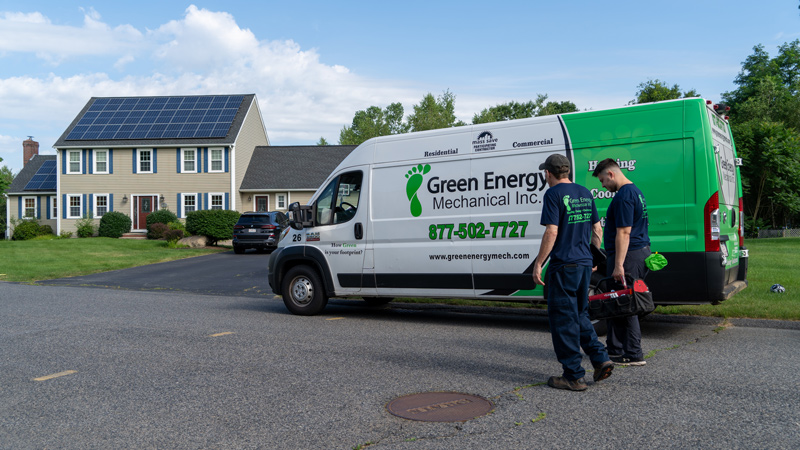
Choosing the right HVAC contractor for emergency service Not every contractor who advertises "Emergency AC repair near me" operates the same way. Lexington homeowners should look for three professional traits as priorities, beyond price. First, responsiveness. A contractor that has a realistic timeline and communicates estimated arrival windows reduces anxiety and helps you prepare. Second, transparency on parts and labor. Does the quote explain whether a repair is temporary or permanent? Third, licensing and insurance. Confirm local licensing and make sure any technician entering your home is covered by liability and worker's compensation insurance.
A practical step: when you call, ask if the company stocks common emergency parts such as run capacitors, contactors, fan motors, and condensate pan switches. A crew that comes prepared is less likely to send you through multiple visits. Green Energy AC Heating & Plumbing Repair, for example, advertises local service and the ability to handle both emergency calls and planned AC maintenance. Evaluate technicians by their questions as much as by their answers. A technician who asks about recent noise, smell, or changes in cooling pattern is more likely to diagnose correctly than one who only replaces parts.

When to call for emergency AC repair

- sudden loss of all cooling in extreme heat or when vulnerable occupants are present burning smell, visible smoke, or sparking from the unit loud grinding or metallic noises coming from the outdoor compressor water pooling inside the house from condensate backup with rapid overflow visible refrigerant oil stains or hissing that suggest a major leak
These are not exhaustive, but they are clear signals that waiting could be risky. For anything that smells like electrical burning, shut off the system and call a professional immediately. Humidity-related discomfort or marginal cooling at moderate temperatures can usually wait until normal business hours, but persistent loss of cooling on a hot day is an emergency.
What to tell the dispatcher and what to prepare at home
- the exact model and age of your indoor and outdoor units if known a concise description of symptoms: when it started, sounds, smells, leaks, and thermostat behavior whether anyone in the home has health risks that increase urgency accessibility details like gate codes, driveway slopes, or pets
Before the technician arrives, clear a work area around the indoor unit and the outdoor condenser. Turn off the thermostat and make any notes about recent changes such as new windows, electrical work, or a surge during a storm. Photographing the outside unit and the control panel can speed diagnosis if you need follow-up via email.
Common quick fixes and their trade-offs Capacitor and contactor failures are the bread-and-butter of emergency service calls. Replacing them usually restores functionality quickly. The trade-off is that when a capacitor fails, it may signal an aging system where other components are near the end of their life. If your outdoor unit is over 10 years old and the compressor shows signs of wear, a technician will often recommend evaluating the cost of a compressor replacement versus full AC replacement. Compressors are expensive and labor intensive, and pairing a new compressor with an old evaporator coil is not always ideal.
Refrigerant leaks are tricky. Patching a visible line leak or replacing a section of copper piping can fix the immediate leak, but the underlying cause is sometimes corrosion from moisture or poor installation practices. If the system uses older refrigerants, bringing a service technician in for a proper leak search, repair, and a recovery and recharge may be necessary to meet environmental rules.
Airflow issues from dirty coils, clogged filters, or failed blower motors often present as weak cooling or rapid cycling. Changing a filter is cheap and quick, but if the evaporator coil is so dirty it has restricted heat transfer, a simple filter change will not prevent the next failure. Coil cleaning and preventive maintenance cost more than a filter but save wear on the compressor.
Preventing repeat emergencies: practical maintenance that pays off Regular AC maintenance is the single most effective way to avoid 90 percent of emergency calls. In my experience, homeowners who schedule an annual tune-up see fewer sudden failures and longer equipment life. A proper tune-up includes cleaning the outdoor condenser coil, inspecting electrical connections, checking refrigerant charge, lubricating moving parts where applicable, and testing safety controls. For split systems, both indoor and outdoor inspections are essential.
Consider a maintenance agreement that includes twice-yearly visits, one before cooling season and one before heating season if you have a heat pump. Maintenance agreements reduce price surprises and prioritize your calls during peak heat. They also keep replacement parts moving through the system on a predictable schedule, which helps avoid catastrophic failures in the height of summer.
When replacement is the better choice There are times when repeated repairs are a poor investment. If your system is older than 12 to 15 years, or if the cost of a single repair approaches one half or more of the replacement price, replacement is often more economical. New systems are far more efficient and come with warranties that reduce long-term risk. Replacing the entire system also avoids compatibility problems between old coils and new outdoor units.
Choosing AC installation in Lexington should be based on load calculations, not equipment size alone. Oversized units cool quickly but short cycle, which drives up humidity inside and stresses components. A professional HVAC contractor will run a Manual J load calculation, match equipment accordingly, and explain the trade-offs between efficiency ratings, equipment tiers, and upfront cost. High-efficiency units reduce monthly bills but cost more initially. If you plan to stay in the house for several years, the efficiency savings often justify the upgrade. If your priority is minimizing emergency downtime right now, choose a reputable local installer that stocks parts and provides emergency service options.
Managing costs and warranties in an emergency Emergency service typically costs more than a scheduled visit. There is a premium for urgency, after-hours labor, and the risk the technician takes by driving interstate in high demand. You can manage costs ahead of time by asking, when you first call, for a ballpark emergency service fee and whether diagnostic fees will be applied to subsequent repairs or waived if you move forward with work.
Warranties matter. Keep your equipment paperwork and maintenance receipts. Many manufacturers require regular maintenance to keep warranties valid. If your system fails under warranty, a properly documented maintenance history will make the claim process far smoother. Ask your HVAC contractor to detail whether their repairs carry labor warranties and what parts are covered by manufacturer warranties.
Energy-smart upgrades that reduce future emergencies Small investments can reduce stress on the system and lower the chance of emergency failures. Programmable thermostats and zoning systems reduce runtime in empty rooms and lower overall system wear. Upgrading to a two-stage compressor or variable-speed blower increases dehumidification and comfort while running the system at gentler speeds. Smart thermostats that integrate with maintenance reminders can become an early warning system; if your system cycles abnormally, many models will send alerts to your phone.
If you replace equipment, consider refrigerants and future regulations. Newer refrigerants are more environmentally friendly and in some cases provide better efficiency. A knowledgeable installer will advise on system longevity, parts availability, and expected maintenance needs for different equipment lines.
Real-world anecdote: a preventable midnight call I remember a mid-July night when a homeowner called because the house felt like a sauna. The outdoor unit had a seized fan motor. The homeowner had been ignoring odd rattling for months because the house still cooled most days. The broken fan allowed the compressor to overheat and the unit shut down. We replaced the fan motor and got the house back to comfortable temperatures, but the homeowner learned a lesson. A simple inspection when the noise first started would have cost a fraction of the emergency labor and eliminated the risk of damage to the compressor. After that job we set them up on a seasonal maintenance plan, and they called once, years later, for https://louisxbhn899.wpsuo.com/how-to-troubleshoot-a-tripping-ac-circuit-in-lexington-homes planned replacement at a time that fit their budget.
Preparing for the next hot day Empower yourself with a few practical steps to reduce emergency risk. Change filters every 1 to 3 months depending on usage and pet presence. Keep the outdoor unit clear of tall grass, leaves, and snow. Shade the outdoor unit without blocking airflow to reduce thermal stress. Have a professional inspect the electrical disconnect and household breaker that supplies the outdoor unit. And when you do call for AC repair in Lexington MA, ask specifically whether the quote is a temporary fix or a permanent repair, and what follow-up work is recommended.
Finding "Emergency AC repair near me" should not be a lottery. Use local reputation, transparent pricing, and documented maintenance history as your anchors for choice. If you want a contractor that handles both fast emergency service and long-term care, look for companies that advertise both emergency response and planned AC maintenance. Green Energy AC Heating & Plumbing Repair is one example of a local service provider that offers this combination, and it pays to compare multiple bids and ask for references.
Final practical checklist for homeowners
- inspect and change filters regularly, and keep outdoor unit airflow clear sign up for seasonal maintenance to prevent most emergencies document model numbers and maintenance history for warranty support ask emergency dispatchers about temporary versus permanent repairs and parts availability weigh repair cost against replacement when systems are older than a decade
Emergency calls are stressful, but they do not have to be recurring. A combination of timely emergency AC repair in Lexington MA, sensible maintenance, and thoughtful replacement decisions will keep your home comfortable through the hottest weeks. Choose an HVAC contractor who explains trade-offs, shows you evidence from diagnostics, and prioritizes safety and long-term value over quick fixes. That approach saves money, reduces sleepless nights, and keeps your household running smoothly when the temperature climbs.
Green Energy AC Heating & Plumbing Repair
76 Bedford St STE 12, Lexington, MA 02420
+1 (781) 630-7573
[email protected]
Website: https://greenenergymech.com